Common Causes of Damage in Commercial Stamped Concrete Surfaces
Commercial stamped concrete repair professionals can help address common causes of damage like cracking, spalling, or fading to restore durability and appearance.
Understanding the common causes of damage in commercial stamped concrete surfaces is essential for property owners looking to preserve the appearance and functionality of their outdoor spaces. Factors such as improper installation, exposure to harsh weather conditions, heavy foot or vehicle traffic, and chemical spills can all contribute to surface deterioration over time. Recognizing these issues early can help prevent more extensive damage, making timely repairs and maintenance a practical choice for maintaining the integrity of stamped concrete surfaces.
For property owners in the area, working with experienced local contractors who specialize in stamped concrete repair can make a significant difference in addressing these common problems. These service providers have the knowledge and skills to assess damage accurately and implement effective solutions that restore the surface’s durability and aesthetic appeal. Exploring the causes of damage and understanding how local pros can help keep stamped concrete surfaces in top condition encourages proactive steps toward long-lasting outdoor spaces.
- When cracks or surface pitting appear on commercial stamped concrete, local contractors can assess and perform repairs to restore durability. - Fading or discoloration caused by prolonged sun exposure can be addressed by service providers experienced in color restoration and sealing. - Heavy machinery or foot traffic leading to surface wear may require professional resurfacing or patching from trusted local contractors. - Water infiltration resulting in spalling or freeze-thaw damage can be mitigated through sealing and concrete repair services offered by local pros. - Chemical stains or damage from spills can be cleaned and repaired by service providers skilled in stain removal and surface restoration techniques.
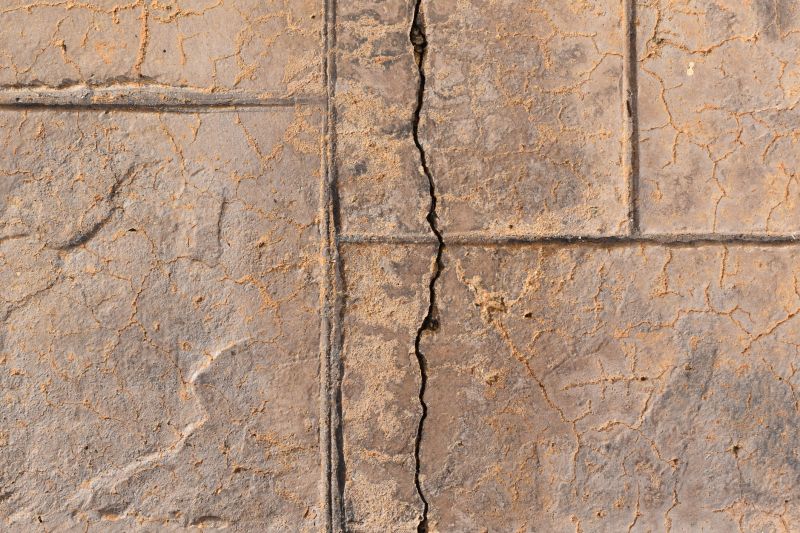
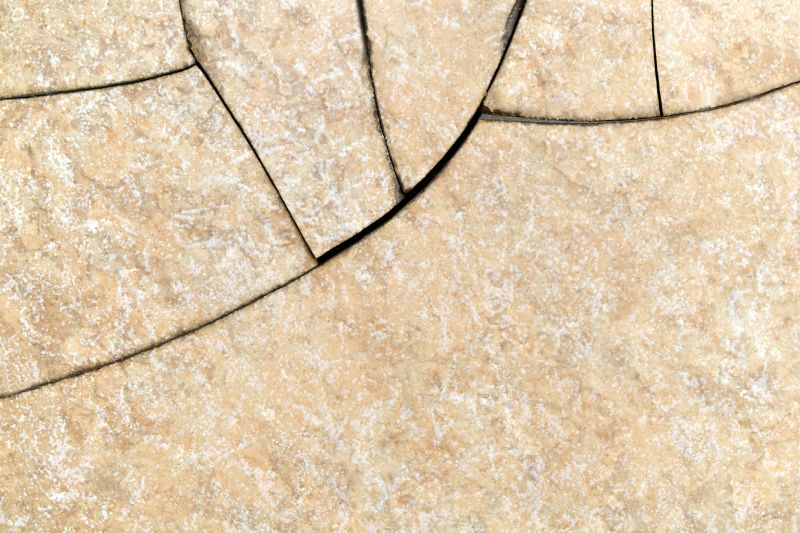
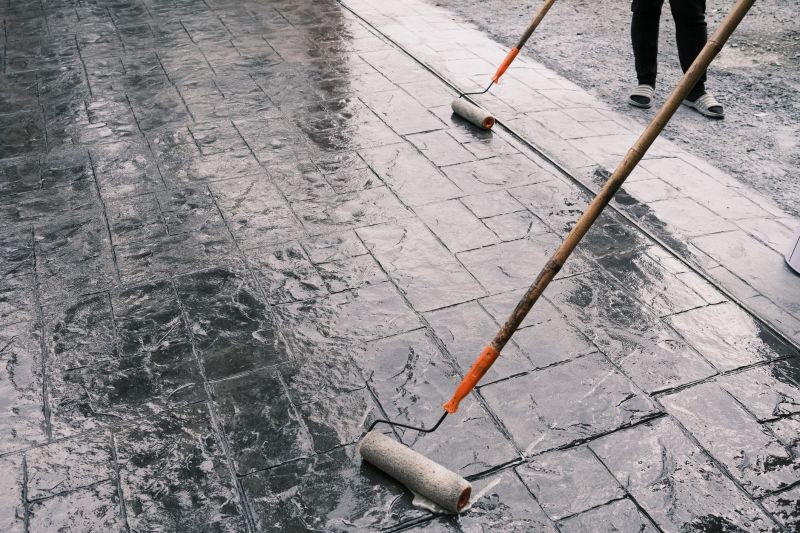
Understanding the common causes of damage in commercial stamped concrete surfaces is essential for property owners and managers who want to maintain the appearance and functionality of their outdoor spaces. These surfaces are often used for walkways, patios, driveways, and decorative features in commercial properties such as retail centers, restaurants, office complexes, and industrial sites. When searching for information on this topic, many people are looking to identify why their stamped concrete has developed cracks, surface spalling, discoloration, or uneven wear. Recognizing these issues helps property owners plan for repairs or preventative measures to extend the lifespan of their concrete surfaces and avoid costly replacements.
Problems related to damage in commercial stamped concrete often stem from a combination of environmental, structural, and maintenance factors. For example, exposure to harsh weather conditions like freeze-thaw cycles can cause surface cracking or scaling. Heavy loads from vehicles or equipment may lead to surface pitting or cracking, especially if the concrete was not designed to handle such stress. Improper installation or inadequate curing during the initial pour can also contribute to early surface failure. Additionally, poor drainage can result in water pooling and penetrating the surface, which accelerates deterioration and causes the decorative pattern to weaken over time.
Certain types of properties are more prone to experiencing damage in stamped concrete surfaces. High-traffic commercial areas, such as shopping centers, parking lots, and outdoor dining spaces, are particularly vulnerable to surface wear and cracking due to frequent use. Industrial facilities with heavy machinery or vehicle traffic may see accelerated damage if the concrete is not reinforced or maintained properly. Properties located in climates with significant temperature fluctuations are also at greater risk, as the expansion and contraction of the concrete can lead to surface cracking and spalling. Understanding these property types helps in planning for appropriate repairs and selecting service providers who specialize in addressing the specific challenges faced by each property.
When issues arise with stamped concrete surfaces, local contractors who specialize in commercial stamped concrete repair can assess the damage and recommend the most effective solutions. These professionals are experienced in diagnosing the root causes of common damage, whether it’s from environmental exposure, structural stress, or installation flaws. They can perform repairs such as crack filling, surface patching, or full resurfacing to restore the decorative pattern and structural integrity. Connecting with local pros ensures that property owners receive tailored services to address the specific damage caused by common issues, helping to preserve the aesthetic appeal and safety of commercial stamped concrete surfaces for years to come.
Commercial flooring installation - professionals experienced in commercial flooring often handle stamped concrete and understand common damage issues, making them suitable for repairs related to surface cracks and wear.
Outdoor patio and walkway projects - these projects require planning and skills similar to stamped concrete surfaces, especially when addressing surface damage caused by weather or heavy foot traffic.
Industrial concrete repair services - local contractors specializing in industrial settings are familiar with concrete deterioration causes and can assist with damage prevention and restoration.
Garage floor coatings - applying coatings to garage floors involves surface preparation and repair techniques comparable to stamped concrete, especially when addressing surface damage or staining.
Driveway resurfacing projects - resurfacing and repairing driveways often involve similar tools and planning as stamped concrete repairs, particularly for surface cracks and scaling.
Landscape and hardscape construction - these projects require knowledge of concrete durability and surface issues, making local contractors well-suited for addressing damage in stamped concrete surfaces.
When evaluating commercial stamped concrete repair services, it is important to consider the experience of local contractors with similar projects. An experienced service provider will have a thorough understanding of common causes of damage in commercial stamped concrete surfaces, such as cracking, spalling, or uneven wear, and will be familiar with the most effective repair techniques. Checking references or reviews can provide insight into their track record for handling repairs that address these specific issues, ensuring that the contractor has successfully managed projects comparable to the scope and complexity of the work needed.
Clear written expectations are essential when comparing local service providers for stamped concrete repair. A reputable contractor will be able to provide detailed descriptions of the repair process, including the methods used to address common causes of damage, the materials involved, and the anticipated outcomes. Having this information in writing helps clarify the scope of work and prevents misunderstandings. It also demonstrates the contractor’s professionalism and commitment to transparency, making it easier to assess whether their approach aligns with the specific needs of the project.
Effective communication plays a key role in selecting the right contractor for stamped concrete repairs. A service provider who listens carefully, responds promptly to questions, and explains repair options in understandable terms can help ensure that expectations are aligned from the outset. Good communication also facilitates ongoing updates during the repair process and allows for addressing any concerns that may arise related to common causes of damage, such as improper installation, exposure to harsh weather, or heavy traffic. Choosing a contractor with strong communication skills can contribute to a smoother repair experience and a result that meets the project’s goals.
Property owners often search for common causes of damage in commercial stamped concrete surfaces when they are planning practical projects around their homes and businesses. Local pros provide Commercial Stamped Concrete Repair services for everyday jobs and straightforward project options.
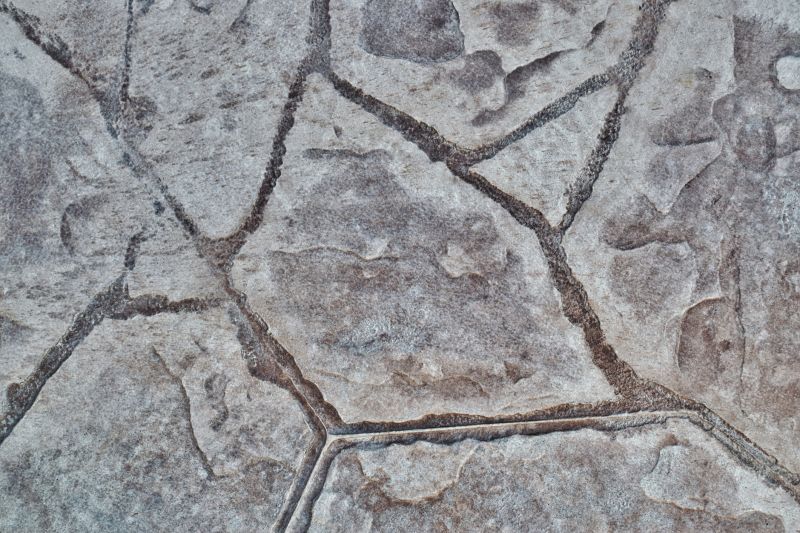
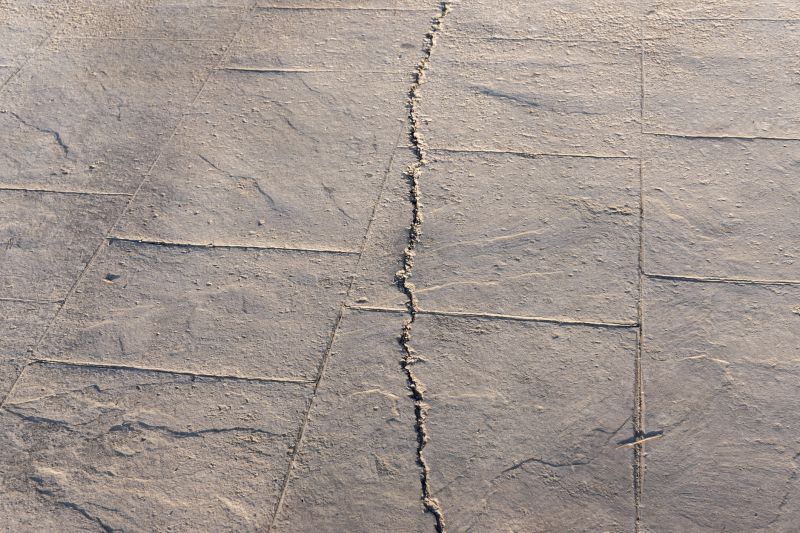
Commercial stamped concrete surfaces are susceptible to a variety of common causes of damage that can impact their appearance and longevity. Everyday project situations, such as heavy foot traffic or frequent vehicle movement, can lead to surface wear and surface cracks over time. Additionally, exposure to harsh weather conditions like rain, snow, or extreme heat can cause the concrete to expand, contract, or develop surface pitting. Property owners often seek out local contractors for stamped concrete repair services when these issues begin to appear, aiming to restore the surface's durability and aesthetic appeal.
Other simple reasons for damage include improper installation techniques or inadequate curing during the initial application, which can lead to weaknesses in the concrete that worsen with use. Spills of chemicals or de-icing salts can also deteriorate the surface if not promptly cleaned. Recognizing these common causes of damage can help property owners determine when professional repair services are needed. Local service providers can assess the extent of the damage and recommend appropriate solutions to maintain the integrity and visual appeal of stamped concrete surfaces.
What are common causes of damage in commercial stamped concrete surfaces? Common causes include improper installation, exposure to harsh weather conditions, and heavy traffic that can lead to cracking and surface deterioration. Local contractors experienced in stamped concrete repair can assess and address these issues effectively.
How does weather contribute to damage in stamped concrete? Extreme temperatures, freeze-thaw cycles, and moisture infiltration can cause expansion, contraction, and cracking in stamped concrete surfaces. Service providers can recommend protective measures and repairs to mitigate weather-related damage.
Can heavy loads or traffic cause damage to stamped concrete? Yes, excessive weight and frequent heavy traffic can lead to surface cracking, chipping, or sinking. Local pros can evaluate the damage and perform repairs to restore the integrity of the surface.
What role does improper installation play in damaging stamped concrete? Poor installation practices, such as inadequate sub-base or incorrect finishing, can result in early cracking and surface failure. Skilled local contractors can repair or replace damaged areas to improve durability.
How do chemical spills or staining affect stamped concrete surfaces? Harsh chemicals and stains can cause discoloration, surface erosion, or deterioration. Professional repair services can clean, restore, and protect stamped concrete to prevent further damage.
Heavy vehicle traffic - Regularly scheduled inspections can help identify areas where heavy vehicles may cause excessive stress, allowing local contractors to recommend reinforcement or repairs before significant damage occurs.
Poor drainage - Ensuring proper drainage around stamped concrete surfaces can prevent water pooling and freeze-thaw damage, with local pros providing drainage solutions and repairs as needed.
Improper surface preparation - Proper surface prep before installation reduces the risk of cracking and delamination, and local service providers can assess and correct preparation issues during repairs.
Exposure to chemicals - Protecting stamped concrete from harsh chemicals like deicers and cleaning agents can extend its lifespan, with local contractors offering sealing and protective treatments to mitigate damage.
If you are thinking about common causes of damage in commercial stamped concrete surfaces for a property, this guide is meant to help you understand this topic, the typical project types, and how different options might fit your plans.
When you are ready, you can use the quote form on this page to share a few details about your project. From there, local pros can review the basics and follow up with options that match what you have in mind.